
2022年11月18日 星期五
Young Musicians Concert 2022: An adventure of DoRéMi
In two weeks' time, our young musicians will showcase what they have learnt on the stage. On 3 December 2022, 1:30pm, Carol Ng's Music will present the Young Musicians Concert 2022: An adventure of DoRéMi. It will take place at Cynthia Poulton Hall, St Peter's Cathedral. Eighteen young and teenage students will showcase their musical talents and play their favorite music. Besides famous tunes of classical music, movie songs, for instance, Harry Potter, and duos will be performed. Get your tickets at Eventbrite.


2019年7月15日 星期一
Struggling to structure your piano practice? Here’s our advice

Our top tips on what to include in your practice, how long to practise for, and how to maximise your time spent at the piano
By the time you have finished reading this article, you are going to walk away with a practice structure all set-out and ready for your next session. You will know:
- what you are going to practise
- how long you’ll practise for
- how to maximise that time spent at the piano
2019年7月14日 星期日
What is the best age to start learning the piano?

RCM graduate Alec Coles-Aldridge argues that starting early may be your best bet
In 2013, the Beijing Normal University released the results of a study which concluded that individuals who started learning the piano before the age of seven benefited from advanced cognitive skills later in life. The benefits remained even for those who stopped practising in their teenage years.
On the contrary, Linda Lorenzo - Director for Learning and Engagement with the Sydney Symphony Orchestra - is a believer that there is no real ideal age. Instead, she advises that the physical nature and interests of the child should be considered. A child who is physically strong might suit a brass instrument. A child with large hands might suit the piano. A child who enjoys the sound of the double bass should begin on the cello before progressing to the double bass when their physique can cope with such a large instrument.
On the other hand, the Peterson Family Foundation provides a comprehensive list for which instruments suit specific age ranges. The piano is deemed an instrument suitable for the earliest of children; age three-four is considered a good time to begin these lessons. With such diverse and contradicting answers from studies, teachers and education experts, what really is the best age for learning the piano? Does age even matter?
There are two important topics need to be considered...
It's never too late to learn...everyone's a winner!

Classical pianist & columnist Daniel Johnson suggests ways of learning piano later in life
Coming to the piano later in life or picking it back up after a break, there will always be a sense of what you want to achieve, and the sudden realisation that it is going to be a long journey. But, with the right experiences and lead from your teacher, you will soon find that it’s the sheer enjoyment that is the most important part of all.
2019年7月13日 星期六
Mozart’s Diary Where He Composed His Final Masterpieces Is Now Digitized and Available Online
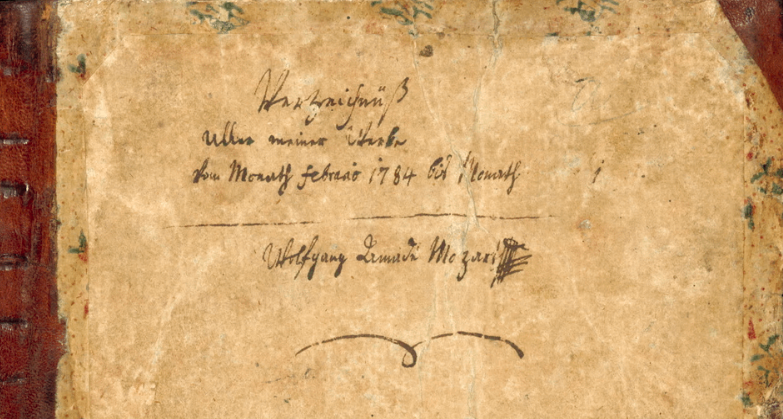
We have a tendency to regard Wolfgang Amadeus Mozart's music as having emerged fully formed into the world, not least because we hear it performed almost exclusively in a highly polished state of near-perfection. That makes any glimpse into the process of its creation all the more valuable, and the British Library has now provided us with much more than such a glimpse: at its site you can now read Mozart's own thirty-page musical diary, a record of "his compositions in the last seven years of his life" and thus "a uniquely important document" in the history of classical music.
How ‘America’s Got Talent’ contestant Kodi Lee shattered stereotypes about disability
If you haven’t seen Kodi Lee’s May 28 performance on “America’s Got Talent,” it’s worth a watch.
The 22-year-old Lee is blind and has autism. His rendition of Leon Russell’s “A Song for You” brought the crowd to its feet – and thrilled viewers at home.
“Loved this moment so much! Stood up and cheered in my living room!” Oprah tweeted.
Much of the media coverage portrayed Lee as someone who, in developing his musical ability to such a high level, overcame all odds – a common though sometimes troublesome trope used to describe people with disabilities who achieve any measure of success.
Lee is certainly an exciting talent. But as someone who teaches a course on the intersection of disability and music, I was moved by other aspects of Lee’s performance as well.
The 22-year-old Lee is blind and has autism. His rendition of Leon Russell’s “A Song for You” brought the crowd to its feet – and thrilled viewers at home.
“Loved this moment so much! Stood up and cheered in my living room!” Oprah tweeted.
Much of the media coverage portrayed Lee as someone who, in developing his musical ability to such a high level, overcame all odds – a common though sometimes troublesome trope used to describe people with disabilities who achieve any measure of success.
Lee is certainly an exciting talent. But as someone who teaches a course on the intersection of disability and music, I was moved by other aspects of Lee’s performance as well.
The Benefits of Playing Music Help Your Brain More Than Any Other Activity
Learning an instrument increases resilience to any age-related decline in hearing.
Brain training is big business. Companies like BrainHQ, Lumosity, and Cogmed are part of a multimillion-dollar business that is expected to surpass $3 billion by 2020. But does what they offer actually benefit your brain?
Researchers don't believe so. In fact, the University of Illinois determined that there's little or no evidence that these games improve anything more than the specific tasks being trained. Lumosity's maker was even fined $2 million for false claims.
So, if these brain games don't work, then what will keep your brain sharp? The answer? Learning to play a musical instrument.

Brain training is big business. Companies like BrainHQ, Lumosity, and Cogmed are part of a multimillion-dollar business that is expected to surpass $3 billion by 2020. But does what they offer actually benefit your brain?
Researchers don't believe so. In fact, the University of Illinois determined that there's little or no evidence that these games improve anything more than the specific tasks being trained. Lumosity's maker was even fined $2 million for false claims.
So, if these brain games don't work, then what will keep your brain sharp? The answer? Learning to play a musical instrument.
2019柴科夫斯基鋼琴大賽傳重大失誤!
2019年柴科夫斯基鋼琴決賽於昨日展開,原本就飽受爭議的賽事又傳出重大失誤。
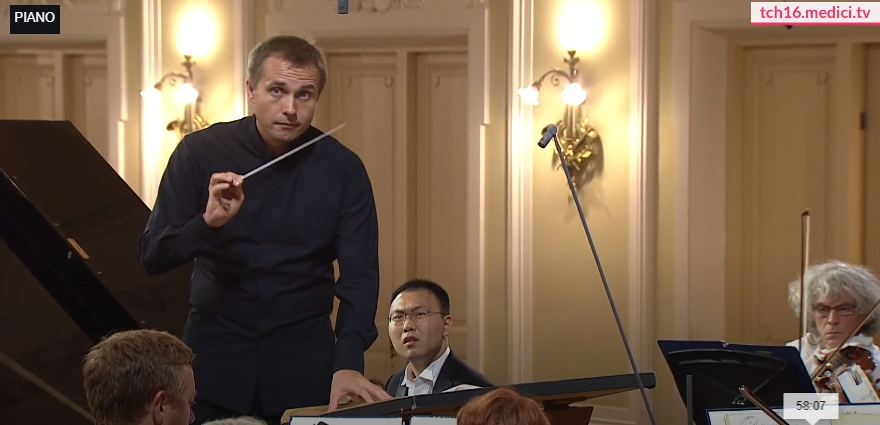
中國參賽者安天旭(An Tianxu)演出時,曲目順序報錯,原訂的柴科夫斯基第一號鋼琴協奏曲變成拉赫曼尼諾夫帕格尼尼主題狂想曲,而不懂俄語的安天旭在播報員播報時渾然不知,直到指揮開始時才慌亂地跟上——熟悉兩首曲目的人都知道,柴的鋼協至少有四小節的前奏,而拉赫曼尼諾夫的帕格尼尼則是在第一小節就必須演奏。
2019年7月12日 星期五
Doctors Now Prescribing Music Therapy for Heart Ailments, Brain Dysfunction, Learning Disabilities, Depression, PTSD, Alzheimers, Childhood Development and More
I just came across this article this morning. Music has been known for beneficial for our brain. But another article further advocated that music has positive impact for therapeutic use as well.
Written by Didge Project director AJ Block and guest author Gracy Liura.
By AJ Block (March 10, 2016)
Music has proven time and again to be an important component of human culture. From its ceremonial origin to modern medical usage for personal motivation, concentration, and shifting mood, music is a powerful balm for the human soul. Though traditional “music therapy” encompasses a specific set of practices, the broader use of music as a therapeutic tool can be seen nowadays as doctors are found recommending music for a wide variety of conditions.
By AJ Block (March 10, 2016)
Music has proven time and again to be an important component of human culture. From its ceremonial origin to modern medical usage for personal motivation, concentration, and shifting mood, music is a powerful balm for the human soul. Though traditional “music therapy” encompasses a specific set of practices, the broader use of music as a therapeutic tool can be seen nowadays as doctors are found recommending music for a wide variety of conditions.
2018年4月24日 星期二
這個四月開始,吳老師將會成為本地有名報刊「塔州華人月報」其中一位專欄作家。这个四月开始,吴老师将会成为本地有名报刊「塔州华人月报」其中一位专栏作家。
這個四月開始,吳老師將會成為本地有名報刊「塔州華人月報」其中一位專欄作家。
这个四月开始,吴老师将会成为本地有名报刊「塔州华人月报」其中一位专栏作家。

2018年4月7日 星期六
BEGINNERS: AGE 0 TO 65+
Many parents ask: “At what age can our children start piano?”, while older beginners ask: “Am I too old to learn piano? How proficient can I expect to be? How long will it take?” We are increasingly beginning to recognize that what we had attributed to “talent” was in reality a result of our education. This relatively recent “discovery” is radically changing the landscape of piano pedagogy. Therefore, we can legitimately question whether talent is such an important factor in how quickly you can learn to play. So then, what IS an important factor? Age is one, because learning piano is a process of developing nerve cells, especially in the brain. The process of nerve growth slows down with age. So let’s examine categories of beginners according to their ages, and the consequences of slowing cell growth with age.

2016年2月4日 星期四
M FOR MOTHER 專訪
話說一直以來, Miss Carol 每個月都收到不少爸爸媽媽的電郵電話,為家中年約兩、三歲的小寶寅寶,查詢學琴安排,但由於香港一直缺乏專為學習鋼琴而設的幼兒課程,Miss Carol 每次都只能很抱歉的,請爸爸媽媽待小寶寶長大一點,到了五歲再作打算,有些熱心的爸爸媽媽,會WAITING LIST 排候補名單,待足歲數再AUDITION 面試。直至上年,Miss Carol 四出探訪,終於找到WUNDERKEYS PIANO FOR PRESCHOOLERS,這個課程是專為三至五歲的學前兒童設計,亦是專門針對往後學習鋼琴的預備課程,更意想不到,引入香港不久,傳媒M for Mother 便已經風聞這個課程,上月更特意訪問Miss Carol ,讓更多爸爸媽媽認識到這個在美國、加拿大等地已經流行了十多年的老牌課程。


2015年12月28日 星期一

2015年12月3日 星期四

英國古典音樂教育向下紮根 古典一百免費上線
自今年11月起,英國的小學老師們多了一個傳授古典音樂的利器「古典一百」(Classical 100)。
為了將100份古典音樂錄音介紹給孩子們,皇家音樂學院聯合委員會、Classic FM、Decca Classics一同開發了這套線上系統,其錄音來源取自Decca,該公司豐富的庫藏涵蓋了從聖赫德嘉(HildegardisBingensis,十一世紀神學家,留有清唱劇等80部音樂作品傳世)到費特金(GrahamFitkin,英國作曲家、鋼琴家、指揮,生於1963年)、時間跨度超過十個世紀的各類音樂。
在「古典一百」上註冊過的學校除了可以使用這些音樂,還能方便地同時查閱作曲者、創作故事等相關資訊,皇家音樂學院聯合委員會也會動用自己組織內的小學教育專家,製作能夠幫助老師們將音樂更進一步帶入生活中的材料,提供第一線教育者下載。該系統出自基礎教育知識豐富的產業專家之手,已經過教師、音樂機構與音樂教育專家的測試,用以提供學校無限、免費的完整服務。
此外,這個系統是由英國教育部支持,並部份適用於其國家課程標準。
自今年11月起,英國的小學老師們多了一個傳授古典音樂的利器「古典一百」(Classical 100)。
為了將100份古典音樂錄音介紹給孩子們,皇家音樂學院聯合委員會、Classic FM、Decca Classics一同開發了這套線上系統,其錄音來源取自Decca,該公司豐富的庫藏涵蓋了從聖赫德嘉(HildegardisBingensis,十一世紀神學家,留有清唱劇等80部音樂作品傳世)到費特金(GrahamFitkin,英國作曲家、鋼琴家、指揮,生於1963年)、時間跨度超過十個世紀的各類音樂。
在「古典一百」上註冊過的學校除了可以使用這些音樂,還能方便地同時查閱作曲者、創作故事等相關資訊,皇家音樂學院聯合委員會也會動用自己組織內的小學教育專家,製作能夠幫助老師們將音樂更進一步帶入生活中的材料,提供第一線教育者下載。該系統出自基礎教育知識豐富的產業專家之手,已經過教師、音樂機構與音樂教育專家的測試,用以提供學校無限、免費的完整服務。
此外,這個系統是由英國教育部支持,並部份適用於其國家課程標準。
英國學校事務大臣Nick Gibb表示,政府委託執行「古典一百」這個推廣計劃的核心,是相信每個學生都應該擁有途徑,得以接觸最好的、完善的教育,而音樂正是這完善教育的一項核心成份。音樂不該是少數特權階級的禁臠,所有的孩子都該有機會聆聽、欣賞偉大音樂家的心血結晶。
轉載自《MUZIKAIR閱讀》
#音樂教育
2015年10月22日 星期四
西九挪亞方舟以外,我們可有自由? — 訪黃津珏談西九街頭表演發牌制度、香港的公共空間

當西九文化區管理局(下稱西九文化區)指,文化區的經營將盡量開放和自由,又指歡迎街頭藝人前來作「街頭藝術」;另一邊廂,卻有吹口琴伯伯,在街頭賣藝時因 5 元而被捕。政府對街頭藝術,究竟是寬容,還是嚴苛?在西九文化局裡發生的「街頭藝術」,其實又意味著甚麼?昨天西九舉辦「自由約」,邀請來眾多街頭藝人內進表演;但在入口外面的街頭上,卻有一群街頭藝人眾集於此,手上舉著「往非公共空間」牌子,拒絕到場內演出,堅守街頭。其中一位表演者,是一直關注香港公共空間發展的音樂人黃津珏。
街頭藝人不過是美化西九的工具
黃津珏說:「今次,西九文化區管理局,其實在闡述街頭藝人是甚麼。他現在提出一發牌制度,讓人們進入他們的空間,作合符他們要求的演出。在這樣的語境下,其實我們很危險。那危險,在於西九盛載了大家對街頭演出或公共空間,幾近全部的慾望。」他指若將西九自香港語境中抽離單獨視之,必然是好事;然而,若宏觀的從整個環境脈絡觀之,就不能太輕率。
他認為西九召來街頭藝人參與其中,背後有其目的:「其實我們(街頭藝人)的存在,是在美化整個西九文化區的概念吧。西九何以會在這裡選址,政府最初的說法是,因西九龍沒甚麼公共空間,於是便建設西九,好讓九龍的市民去享用——然而,這說法似乎是很久以前的了。」而現在西九旁邊的是圓方商場、豪宅君臨天下、凱旋門、漾日居……「現在似乎是為配合那些屏風山莊,且未來高鐵站又會建設在此,像是想順勢而上吧。整個建設的藍圖裡,只剩下文化一環;西九文化區完成後,就能提升這區的價值,令其地價特別貴。」
「於是政府就做很多事情,吸引我們這班藝術家來這裡。」黃認為,政府的終極目標是透過增加參與人數,成就文化區的意義:「甚麼叫做文化區呢?沒有一個地方是叫文化區的,沒有人在,就沒有文化。所以,政府無論如何都想有人來。」透過吸引藝術家,就能藉精彩表演促使更多人前來:「這就是政府的策略。所以他仍然是用文化資本的概念去發展文化,目的是要帶動經濟。」
西九是一張花紙、一隻挪亞方舟
當說起西九,黃津珏指自己常常想起程展緯的作品《為未來西九罪惡區做好準備》。作品稱西九落成那天,將會天降大雨。而程則會籌建一艘挪亞方舟,將所有會浮的東西都聚集在一起——其餘不會浮的,則會全皆被大雨所掩沒,從此不見天日。於是挪亞方舟成為整個城市裡,唯一能夠存活的存在;方舟之外,只有死氣沉沉。
「這正正就是我們現在的處境。我們其實沒有真正的自由——自由不過是假象。在香港的各個角落,文化都無法、或不能發生,除了在西九文化區之內。西九彷彿是一張包裝紙,將香港包得很美,包裝得好像很有文化氣息,但那其實是大話——在香港,其實甚麼都不能容許。」對黃津珏而言,文化區的存在,是為了滿足我們對自由及文化的渴望;而我們為何如此熱切期待西九,只因在平日的生活空間裡,自由太過稀少,它是如此難以企望和被實踐。
「西九文化區,終究是個挪亞方舟。若香港人想要文化氣氛,必然要來到西九才能感受到,那才是最悲哀的。」西九內縱有更多美麗吸引之事,但走出這個挪亞方舟後,我們的生活依舊受限,那對黃而言似乎沒有意思:「與其如此,我們不如看回每天生活的地方,究竟發生甚麼事。」
西九以外的空間
而日常生活中,我們總是常常聽到,香港的街頭藝人在演出時被驅趕、被拘捕,如尖沙咀的街舞社群、 旺角西洋菜街表演雜耍的蘇春就、吹口琴的何伯:「根據《簡易程序治罪條例》,只要在公眾街道或道路上奏玩任何樂器,政府都有權拘捕你。」黃津珏道。
其實不單是玩樂器,只要進行任何遊戲或消遣而對路人或居民造成「煩擾」、在公眾地方遊蕩或遊戲使該處形成喧鬧的集會、使街道上的交通受阻、又或得到遊人的報賞、甚至是發出噪音,都會觸犯《簡易程序治罪條例》,警察將有權拘捕或懲罰表演者。
條例如此,但是否就是合理?黃回顧 2006 年蘇春就因在旺角街頭表演吞火而被拘捕的事件,法官判其罪名不成立,乃因《基本法》賦予市民進行文化活動的自由,而行人專用區亦應容許文化交流及溝通等活動的進行:「那個法官判決得很好。他指即便我們不喜歡那文化表演,但香港人應有那文化素養,去容許這些事情發生。」然而,當口琴伯伯於 2012 年因 5 元而被入罪和監禁,可見這種觀念,並未因為時間流逝而成為主流,甚至未能於現實裡普遍地被實踐。「我們怎可能忘記這些荒謬,單單去看西九呢?我覺得必須拆解的是,現在香港公共空間的概念。」
冀對公共空間有更多討論
「香港以前的人,其實是有公共空間概念的。」在香港開埠初期,被稱為大笪地的平民夜總會便開始存在。人們可在那裡做街頭表演、買到日常所需、吃到各種食物。然而在 70 年代開始,市政局陸續收地,大笪地頓成歷史,人們可共享的公共空間愈發縮小:「其實是香港政府,令到大家沒有了對公共空間的概念吧。」
「甚麼是公共空間,現在很多香港人其實都說不出,總以為上街去就只能消費;而我們的公園,亦是甚麼都被禁止。但慶幸,現在愈來愈多這樣的討論:在旺角、銅鑼灣,都有很多不同的爭執。誰能用、誰不能用,有甚麼不同的藝術形式是能夠存在,又或不能存在。我覺得有這些討論是好的,因現在香港人真的很缺乏對公共空間概念的認識。」
公共空間裡,應人人平等
「而從蘇春就那次的判決開始,漸漸有更多街頭藝人,夠膽上街表演。」黃津珏指,這有好也有不好:「好處在於,現在的街頭藝人,夠膽出來公民抗命。其實條例沒有變,他們仍然犯很多法,但大家都覺得那表演權利是人權,所以他們便行動吧。」
「但是壞處在於,有很多街頭藝人,將這樣的空間視為理所當然。」有些表演者會在同一地方,重複玩一首音樂和旋律,又或音量太大:「那無論是有多好聽都不行的,你不能夠用同一首歌,去煎熬該區的人。若然我在那裡開店的話,我也應該會受不了的。」身為表演者,在公共空間裡,還是必須要關注自己對其他人的影響。
透過溝通解決問題
「而我覺得在公共空間裡,正正就是這樣——沒有一個人是能夠『話哂事』、『惡哂』的。」公共空間珍貴之處,就在於沒有人是權威,人人都有在此活動的平等權利。在這情況下,若有衝突出現,黃認為應以討論、溝通的方式去處理:「若我們進入社區做一件事,必然要先和附近的人聊聊。討論一下該如何去使用空間,去互相遷就。但香港人卻總是用捷徑,甚麼事都去報警。報警的話,那就甚麼都發生不了。」
公共空間裡應互相尊重
溝通與遷就,意味著人們先要懂得尊重彼此的存在。他以一些曾在街頭發生的衝突為例:「之前旺角有些大媽跳舞,有些人會罵,甚至認為他們有損市容。然而,上年紀的人,他們去想像如何去使用那公共空間,其實是沒有錯的。所以我認為要梳理的是,大家對公共空間的慾望是有不同的。但現在困難的地方,在於大家真的是在『鬥惡』。」
他指現時紛爭中,大聲的人、早到霸位的人、「夠惡」的人往往在爭論裡佔上風,其中亦包括立例的人:「立例,也是一種『惡』來的。各種形形色色的規例,將會令討論無法進行。我認為不應該有任何規例,大家真的要有開放討論,並實踐那空間如何使用,那才是最重要的。」
街頭上需更自由
說起規條,稱將以自由、開放方向營運的西九文化區,仍有不少規則要求表演者去遵守,其中包括對噪音分貝、表演位置、表演內容的各種限制。其實,若政府真期望能發展藝術文化,必須認清其養份來自自由;而若想真讓市民生活在公共空間之中,則必須摒棄各種規條,讓市民透過討論、遷就、尊重去營建他們的空間,如此文化才能於人與人的碰撞間,慢慢地被孕育和培養。
而大概,街頭上的公共空間,比西九文化區裡面的重要太多:「始終,人對城市面貌的第一印象,並不是在美術館、音樂廳,而是在街頭吧。在街頭上的小販、演出,才是在塑造那城市的面貌。」所以,對自由的實踐、對文化的追求,不應只存在於西九文化區之中,而是應存活於整個我城的每個角落,於真正的街頭之上——而掌控著一切的政府,必須要明白這一點。

德國鋼琴:高品質帶來的煩惱

質量好也成了問題:德國製造的鋼琴舉世聞名,但是近數十年來的銷量卻只降不增。其根本原因就是德國鋼琴太過經久耐用。來自中國等國的冒牌貨也脫不了關係。
鋼琴生產商如今的日子可不好過:2013年夏美國鋼琴製造商施坦威(Steinway)在經歷銷量大幅減少後被一名金融投資者收購;備受肖邦鍾愛的法國著名鋼琴品牌普萊耶(Pleyel )也於近日停產。
德國鋼琴製造商的輝煌時代也已悄然逝去,至少從產量上來看。一戰以前,德國每年生產20餘萬架鋼琴。自此之後,產量持續下降。 “20年前德國還年產4萬架鋼琴,現在僅生產約11000架。”萊比錫博蘭斯勒(Blüthner)鋼琴公司總裁、德國鋼琴製造聯合會主席博思進( Christian Blüthner-Haessler)介紹說, “批量生產的鋼琴大幅減少。高檔鋼琴的產量則相對穩定。”
- 德國鋼琴製造聯合會主席博思進( Christian Blüthner-Haessler)

- “德國製造” 享譽全球

- 貝多芬彈琴過於激烈


德國新鋼琴滯銷
新鋼琴在德國很難找到買主,因為市場上已有大量舊鋼琴。 “根據一項民意調查顯示,德國目前共有八百萬鋼琴。” 博思進繼續說:”許多家庭擁有數十年的老鋼琴。也就是說,我們樂器的品質和持久耐用性反而成了我們的問題。”
貝多芬還曾需要經常購置新的樂器,因為他太過猛烈地彈奏鋼琴,木架不荷弦線拉力的重負。自19世紀末鐵架盛行以來,定期保養的鋼琴幾乎可以永久使用。
來自東亞的競爭者和過去十年的經濟危機對德國鋼琴製造商來說更是雪上加霜。博思進回憶說:”08、09年北美市場銷量在一年的時間內減少一半還多。德國製造商也深受影響。”
廉價鋼琴如今大多來自亞洲,德國製造商依舊主宰高檔鋼琴市場。廉價鋼琴聽上去低音沉悶、中音渾濁、高音刺耳。相反,一架好鋼琴則擁有動聽的音調、有力而清晰的低音和悅耳的高音。
真假”德國製造”
德國製造商遇到了一件讓人哭笑不得的荒唐事:許多來自中國和其他國家的競爭者冒充德國品牌銷售自己生產的鋼琴。一些是憑空假想出來的品牌,另一些則是重新使用早已不復存在的品牌。德國鋼琴協會因此設計了” 德國製造”的證書,以便消費者辨別真偽德國鋼琴。
許多世界各地的買家會參閱一本暢銷的美國書籍,這一點對德國鋼琴出口極其有利的。作者弗埃(Larry Fine)撰寫的《鋼琴著》(The Piano Book)中推介的8大頂尖鋼琴製造商中有5家來自中歐。德國位於漢堡的施坦威製造廠以及被雅馬哈收購的維也納鋼琴品牌貝森朵夫(Bösendorfer)均名列其中。
1852年在拜羅伊特(Bayreuth)成立的斯坦格列泊索納(Steingraeber &Söhne)公司是德國知名高品質傳統鋼琴製造商之一。這家每年僅生產120至140架三角和立式鋼琴的小公司在業界享有非凡的地位。著名作曲家瓦格納和李斯特都擁有該公司的鋼琴。
斯坦格列泊索納在其小眾市場內感覺”很自在”,該家族企業的第六代負責人史密特-斯坦格雷博(Udo Schmidt-Steingraeber)如是說。製造鋼琴雖然是一種傳統工藝,但是這一產業如今已和德國其他產業一樣依賴出口。
物美價高
史密特-斯坦格雷博繼續介紹:”2013年向亞洲的出口量’大幅’增加,美國市場似乎日趨穩定,典型的南美崇尚音樂的國度終於在經歷十年的軍事獨裁和文化毀滅後重新活躍,變化速度緩慢卻顯而易見。”
一份價錢一份貨。一架好鋼琴等價於一輛中等汽車。 “如果將鋼琴與汽車業比較的話,可以說從寶馬、奔馳到賓利、法拉利,我們的鋼琴種類同樣繁多。”
因此一個德國家庭若要購買一架新鋼琴,一般來說,他們買到的不再是在德國製造完成的鋼琴。史密特-斯坦格雷博補充道:”我們的固定買主不是個人,而是如音樂廳、高校和樂室等機構。”
然而面對未來,德國頂尖鋼琴製造商並不感到恐慌。 “撇開維也納的貝森朵夫和意大利小廠法奇奧里(Fazioli)不談,德國是世界上唯一一個仍然擁有鋼琴製造文化的國家。”
轉載自《當鋼琴遇上調音師》
2015年10月21日 星期三
Types Of Pianos
How many different types of pianos are there? There are many piano types, but the two basic ones are: horizontal(grand pianos) and vertical(upright pianos).
Horizontal pianos
Horizontal pianos are called like that because of the way the strings are arranged in the piano – simply, in a horizontal position. Horizontal pianos can also be called grand pianos which is more familiar term for everyone.

There are six horizontal or grand types of pianos:
- Petite Grand – Are called Petite Grand because they are the smallest horizontal pianos and their size is from 4′ 5″ to 4′ 11″.
- Baby Grand – These types of pianos are the best from the horizontal pianos because they are the perfect fit for your living room and your pocket. The size is from 5′ 0 – 5′ 6″.
- Medium Grand – These types of pianos are pretty much the same as the Baby Grand pianos only a bit larger. The size is about 5′ 7″.
- Parlor Grand – These types of pianos are very similar to Concert Grand only 3/4 from their size. The size is from 5′ 9″ to 6′ 1″.
- Semi-Concert Pianos – a.k.a. ballroom pianos. The size is from 6′ 5″ to 7′ 5″.
- Concert Grand – It’s the largest type of piano. Its size is from 7′ 6″ to 9′ 6″.
Vertical pianos
Vertical pianos are also called like that because of the way the strings are arranged in the piano – simply, in a vertical position, also known as upright pianos. These pianos are not as big as the horizontal ones, that is why they can be found more in homes, schools etc.

There are also six vertical piano types:
- Spinet – the smallest vertical piano, can be great if the room where you want to put it is small. Its size is from 35″ to 37″.
- Consolette – Its size is from 38″ to 39″.
- Console – It’s size is from 40″ to 43″.
- Studio – It’s size if from 44″ to 47″.
- Professional – It’s size is from 48″ to 60″
- Honkey Tonk – It’s size is from 36″ to 60″. Mostly used in country music.
from "Piano Brands"
訂閱:
文章 (Atom)