This education blog shares various horizons of music in order to promote sustainable development of music education. Being devoted to music education for 19 years, Carol Ng has established her private studio at Adelaide, South Australia with an examination-standard Yamaha grand piano. In addition, Carol is keen on enlightening the next generation and advocating continuous advancement of music industry.

教育BLOG旨在推廣音樂教育發展,讓更多人認識不同的音樂領域;吳老師投身音樂教育十九年,於南澳洲的阿得萊德開設私人教室,並採用符合考試標準之Yamaha 三角琴教學,致力培育新一代音樂學好者及推動音樂行業的持續發展。

2026年11月18日 星期三

7 and 35: Why Beginners Need Expert Feedback the Most


 "Practice doesn't make perfect. Perfect practice does." Many music teachers remind their students of this, and in his book Perfect Practice, American pianist, composer and piano educator Peter Coraggio turns the idea into two memorable numbers: it takes 7 purposeful repetitions to learn something new, but 35 perfect repetitions to correct each mistake.

Muscle memory can't tell right from wrong

Playing an instrument or singing relies heavily on muscle memory. Our fingers and body don't judge whether a movement is right; they simply remember what we repeat most. Practise with a collapsed hand shape, an unsteady pulse or careless pedalling, and those habits become deeply ingrained, taking many times longer to undo.

Why beginners benefit most from expert feedback

Many parents assume judges' comments only help advanced students. In fact, the opposite is true. The beginner years are when posture, hand shape, rhythm and tone are formed. Accurate feedback early on saves years of unlearning later, and advice written down by an independent judge is something children tend to take seriously.

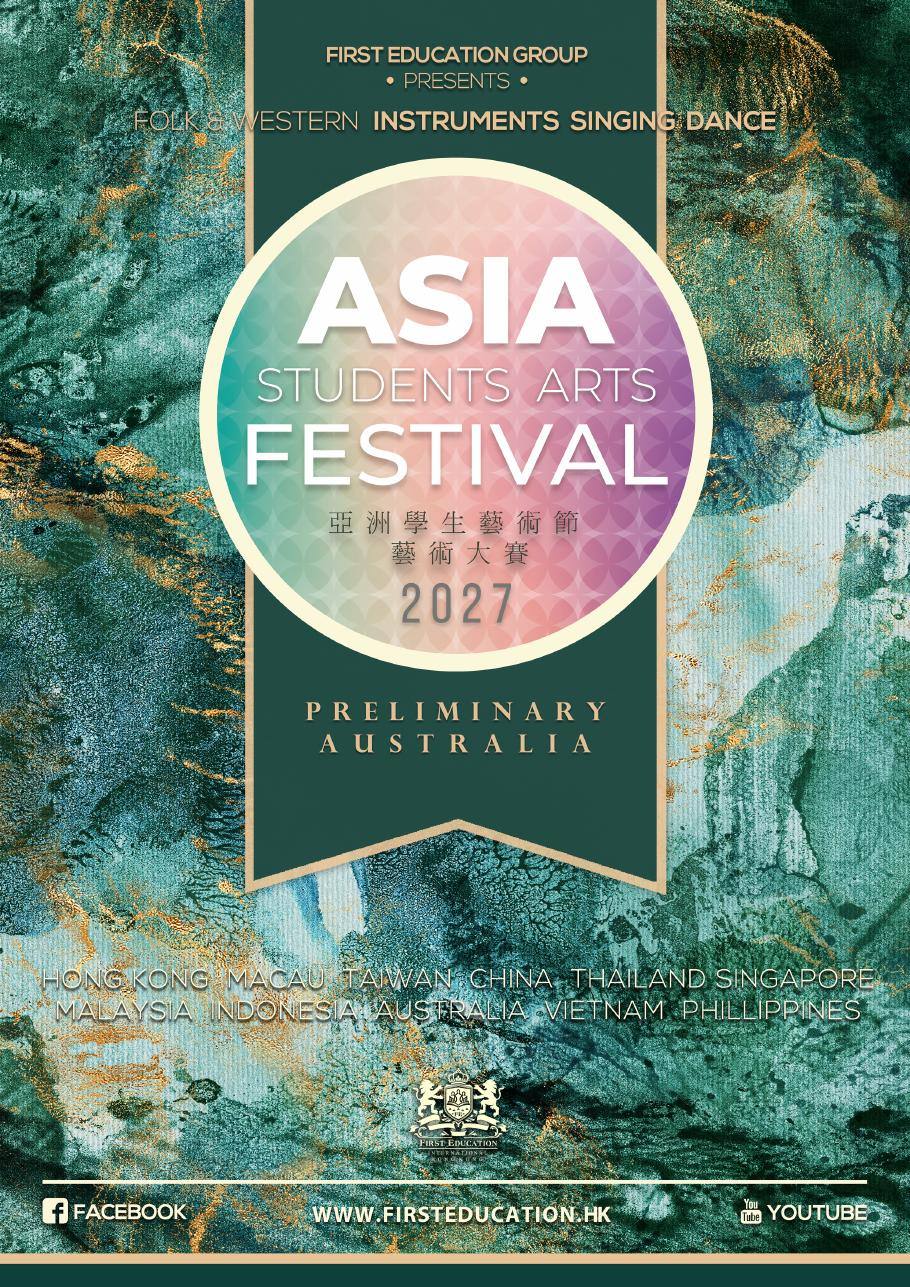
ASAF 2027 Australia: written feedback for every entrant

Every entrant in the ASAF Asia Students Arts Festival Australia round, at any level, receives written comments from international judges on what went well and what to work on next. Grade sections start from Grade 1, so beginners compete with students at the same level, and every student who scores 80 or above receives a Merit certificate. The preliminary round is a video recorded at home, and students can re-record until they are happy, which makes it an ideal first competition.

Entries close Sunday 6 December 2026, 11:59 pm (Sydney time).
Details and entry: https://www.carolmusic.com.au/weblink/202611/

7 次與 35 次:為何初學者更需要專業評語


 「練習不會令人完美,完美的練習才會。」很多音樂老師都這樣提醒學生,而美國鋼琴家、作曲家及資深鋼琴教育家 Peter Coraggio 在其著作《Perfect Practice》中,更把這個道理化成兩個容易記住的數字:要記住一個新動作,需要有意識地重複 7 次;但每犯一次錯,就要完美地重複 35 次,才能把錯誤改正過來。

肌肉記憶不分對錯

彈琴、拉琴、唱歌,都很大程度依賴肌肉記憶。手指和身體不會分辨對錯,只會記住我們重複得最多的動作。若練習時一直帶著錯誤的手型、不穩的拍子或不正確的踏板,這些習慣便會被牢牢記住,日後要花數倍的時間和耐性才能改正。

為何初學者更需要專業意見

不少家長以為評語只對高程度學生有用,其實剛好相反。初學階段正是建立基本功的時候,坐姿、手型、拍子和聲音控制都在這時定型。越早得到準確的意見,越能避免日後花大量時間「拆掉重練」。由第三者白紙黑字寫出來的建議,小朋友往往也會特別重視。

ASAF 2027 澳洲賽區:每位參賽者均獲書面評語

ASAF 亞洲學生藝術節澳洲賽區的每位參賽者,無論程度深淺,均會收到國際評審的書面評語,指出表現出色的地方及下一步可以改進之處。考級組由一級開始,初學者與同程度學生一同參賽;比賽按分數評核,80 分或以上即可獲 Merit 證書。初賽以影片進行,在家錄影即可,不滿意亦可重錄,是第一次參賽的理想選擇。

報名截止:2026年12月6日(悉尼時間晚上11:59)。
詳情及報名:https://www.carolmusic.com.au/weblink/202611/

2026年11月16日 星期一

ASAF 2027 Music Competition in Australia: How It Works and How to Prepare Your Video / ASAF 2027 澳洲音樂比賽:比賽流程及初賽影片準備貼士

Entries are open for the ASAF 2027 Asia Students Arts Festival music competition, Australia round. Here is how it works, and how to make a preliminary video that shows your child at their best.

What is ASAF?

ASAF is an international music competition for students aged 4 and over, run every year by First Education Group. Students from Hong Kong, Macau, Mainland China, Taiwan, Southeast Asia and Australia take part. Carol Ng's Music organises the Australia round.

Who can enter

Any current student aged 4 or over (age as at 1 January 2027). Students can enter piano, strings, wind, percussion, voice or Chinese instruments, as a soloist, duet or small group. Each entry is an age section or a grade section from Grade 1 to Diploma, and a student can enter more than one.

How the competition works

  1. Record one complete performance and send the YouTube link.
  2. Every entrant receives a certificate and written comments from the international judges.
  3. Students in the top 6 of their section who score 80 or above go to the Sydney Final in January 2027, performing on stage. The Final is live-streamed for family and friends.
  4. Top winners are also invited to the ASAF London Winners Showcase in mid-2027.

How to prepare a strong preliminary video

  • Show the whole performer. The judges watch posture as well as sound. For piano, film from the side so the keyboard, hands and pedals are all visible.
  • Dress for the stage. Wear what you would wear to a concert.
  • Bow before and after. It frames the performance and shows stage presence.
  • Introduce yourself (optional). Name, section and piece, in one or two sentences.
  • One take, no editing. If you play more than one piece or movement, record them in one continuous take.
  • Check the time limit: 3 minutes (ages 4–9, Grades 1–5), 4 minutes (ages 10–15, Grades 6–7) or 5 minutes (Open, Grade 8 to Diploma).
  • Check the sound. Film in a quiet room, and do a short test to make sure the loudest passages don't distort.

Key dates and fees

Entries close Sunday 6 December 2026, 11:59 pm (Sydney time). Preliminary fees per participant: Solo A$95, Duet A$70 each, Group A$55 each.

How to enter

Parents: enter online in English, 繁體中文 or 简体中文. Teachers and music schools entering several students: download the group entry form from the competition page and email it to carolngmusic@gmail.com.

Full details, awards and FAQ: https://www.carolmusic.com.au/weblink/202611/#enter

ASAF 2027 亞洲學生藝術節音樂比賽澳洲賽區已經接受報名。以下介紹比賽流程,同埋點樣拍一條讓孩子發揮最佳水準嘅初賽影片。

咩係 ASAF?

ASAF 由第一教育集團每年舉辦,是為 4 歲或以上學生而設嘅國際音樂比賽,參賽者來自香港、澳門、內地、台灣、東南亞及澳洲。澳洲賽區由 Carol Ng's Music 策劃。

邊個可以參加

4 歲或以上在學學生(年齡以 2027 年 1 月 1 日計算)。項目包括鉱琴、弦樂、管樂、敲擊、歌唱及中樂,設個人、二人及小組;可報年齡組或一級至演奏級考級組,亦可以報多過一項。

比賽流程

  1. 錄一次完整演出,提交 YouTube 連結。
  2. 每位參賽者都有參賽證書及國際評審書面評語。
  3. 組別前 6 名並得 80 分或以上,晉級 2027 年 1 月悉尼決賽,親身登台演出,親友可網上看直播。
  4. 得獎者亦獲邀參加 2027 年中嘅 ASAF London Winners Showcase。

初賽影片準備貼士

  • 拍到全身: 評審會留意姿勢。鉱琴建議由側面拍,要見到琴鍵、雙手同踏板。
  • 穿演出服裝: 當係出席音樂會咁打扉。
  • 演奏前後鞠躬: 展現台風。
  • 自我介紹(自選): 姓名、組別、曲目,一兩句就夠。
  • 一鏡到底: 多於一首樂曲或一個樂章,必須一次過錄,不可剪接。
  • 留意限時: 3 分鐘(4–9 歲、一至五級)、4 分鐘(10–15 歲、六至七級)、5 分鐘(公開組、八級至演奏級)。
  • 檢查音質: 喺靜嘅房間拍,先試錄一段,確保最大聲嘅地方唔會爆音。

重要日期及收費

報名截止:2026 年 12 月 6 日(星期日)晚上 11:59(悉尼時間)。初賽費(每位參賽者):個人 A$95、二人每人 A$70、小組每人 A$55。

點樣報名

家長網上報名:English、繁體中文、简体中文。老師及音樂學校大量報名:喺比賽頁下載團體報名表,填好電郵至 carolngmusic@gmail.com。

完整詳情、獎項及常見問題:https://www.carolmusic.com.au/weblink/202611/#enter


2022年11月18日 星期五

Young Musicians Concert 2022: An adventure of DoRéMi

In two weeks' time, our young musicians will showcase what they have learnt on the stage. On 3 December 2022, 1:30pm, Carol Ng's Music will present the Young Musicians Concert 2022: An adventure of DoRéMi. It will take place at Cynthia Poulton Hall, St Peter's Cathedral. Eighteen young and teenage students will showcase their musical talents and play their favorite music. Besides famous tunes of classical music, movie songs, for instance, Harry Potter, and duos will be performed. Get your tickets at Eventbrite.

2019年7月15日 星期一

5 tips on how to stay focused during practice


Struggling with procrastination? Here's our professional advice on how to stay focused during practise.


As a pianist, one of the biggest challenges you will come across is your ability to stay focused and to keep your eyes on the prize. In a world where procrastination has stolen many a person's dreams, we refuse to let you lose sight of what you're working towards.

So, here are Pianist's 5 key tips on how to stay focused during practice. 

Scoring 101: How to make your sheet music more readable


The ultimate guide to a neat and tidy piece of sheet music.


If you are currently composing or arranging a piece of music, you will know that tidying up your score before completion is a challenge! Our quest for perfection can drive us to tweak, change and edit more than we need to, with no real system in place.

The checklist below is going to be absolutely invaluable for when you are approaching the finishing stages of your compositional process. Work your way through each point at your own pace, and you’ll finish up with a beautifully neat and tidy score.

Struggling to structure your piano practice? Here’s our advice


Our top tips on what to include in your practice, how long to practise for, and how to maximise your time spent at the piano


By the time you have finished reading this article, you are going to walk away with a practice structure all set-out and ready for your next session. You will know:
  • what you are going to practise
  • how long you’ll practise for
  • how to maximise that time spent at the piano

2019年7月14日 星期日

What is the best age to start learning the piano?


RCM graduate Alec Coles-Aldridge argues that starting early may be your best bet


In 2013, the Beijing Normal University released the results of a study which concluded that individuals who started learning the piano before the age of seven benefited from advanced cognitive skills later in life. The benefits remained even for those who stopped practising in their teenage years. 


On the contrary, Linda Lorenzo - Director for Learning and Engagement with the Sydney Symphony Orchestra - is a believer that there is no real ideal age. Instead, she advises that the physical nature and interests of the child should be considered. A child who is physically strong might suit a brass instrument. A child with large hands might suit the piano. A child who enjoys the sound of the double bass should begin on the cello before progressing to the double bass when their physique can cope with such a large instrument. 


On the other hand, the Peterson Family Foundation provides a comprehensive list for which instruments suit specific age ranges. The piano is deemed an instrument suitable for the earliest of children; age three-four is considered a good time to begin these lessons. With such diverse and contradicting answers from studies, teachers and education experts, what really is the best age for learning the piano? Does age even matter? 


There are two important topics need to be considered...

5 tips on maximising efficiency in your piano practice


Pianist and writer Frank Huang dishes out his advice on how to streamline the practice process


Many of you will have asked yourself: How am I supposed to practise? How can I maximize my time and efficiency on my own? How can I make practice fun and enjoyable? How can I track the progress that I have made throughout the week?

It can be a huge challenge trying to figure out how to practise efficiently and effectively at the same time. Take a look at our 5 tips to streamlining your practice process below…

It's never too late to learn...everyone's a winner!


Classical pianist & columnist Daniel Johnson suggests ways of learning piano later in life


Coming to the piano later in life or picking it back up after a break, there will always be a sense of what you want to achieve, and the sudden realisation that it is going to be a long journey. But, with the right experiences and lead from your teacher, you will soon find that it’s the sheer enjoyment that is the most important part of all.

2019年7月13日 星期六

Mozart’s Diary Where He Composed His Final Masterpieces Is Now Digitized and Available Online


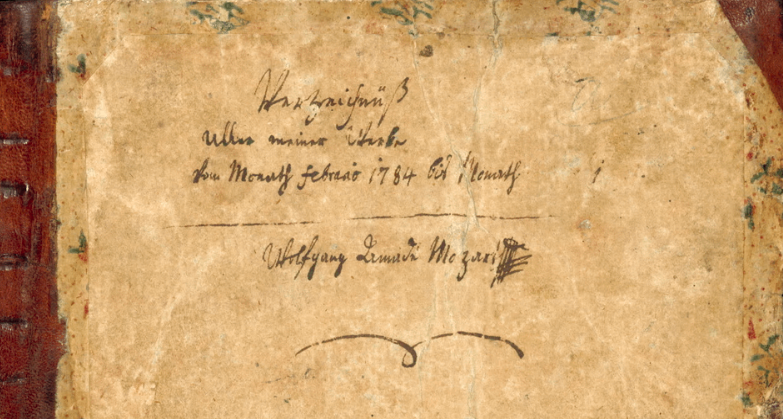
We have a tendency to regard Wolfgang Amadeus Mozart's music as having emerged fully formed into the world, not least because we hear it performed almost exclusively in a highly polished state of near-perfection. That makes any glimpse into the process of its creation all the more valuable, and the British Library has now provided us with much more than such a glimpse: at its site you can now read Mozart's own thirty-page musical diary, a record of "his compositions in the last seven years of his life" and thus "a uniquely important document" in the history of classical music.

How ‘America’s Got Talent’ contestant Kodi Lee shattered stereotypes about disability

If you haven’t seen Kodi Lee’s May 28 performance on “America’s Got Talent,” it’s worth a watch.


The 22-year-old Lee is blind and has autism. His rendition of Leon Russell’s “A Song for You” brought the crowd to its feet – and thrilled viewers at home.


“Loved this moment so much! Stood up and cheered in my living room!” Oprah tweeted.


Much of the media coverage portrayed Lee as someone who, in developing his musical ability to such a high level, overcame all odds – a common though sometimes troublesome trope used to describe people with disabilities who achieve any measure of success.


Lee is certainly an exciting talent. But as someone who teaches a course on the intersection of disability and music, I was moved by other aspects of Lee’s performance as well.


The Benefits of Playing Music Help Your Brain More Than Any Other Activity

Learning an instrument increases resilience to any age-related decline in hearing.

Brain training is big business. Companies like BrainHQ, Lumosity, and Cogmed are part of a multimillion-dollar business that is expected to surpass $3 billion by 2020. But does what they offer actually benefit your brain?


Researchers don't believe so. In fact, the University of Illinois determined that there's little or no evidence that these games improve anything more than the specific tasks being trained. Lumosity's maker was even fined $2 million for false claims.


So, if these brain games don't work, then what will keep your brain sharp? The answer? Learning to play a musical instrument.

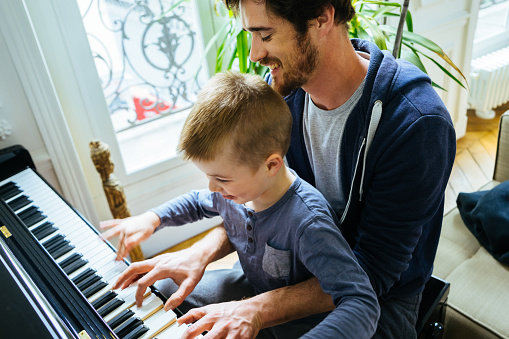
4 ways Dads can support their piano-playing kids

4 ways Dads can support their piano-playing kids
If your child has taken a liking to the piano, here are 4 ways that you can support them along their journey.


Watching your kids excel in various hobbies really is one of the biggest joys a father can feel. Not many feelings beat it. It’s really important that fathers support them in their passions in the right way. So, if your child has taken a liking to the piano, here are 4 ways that you can support them along their journey.

2019柴科夫斯基鋼琴大賽傳重大失誤!

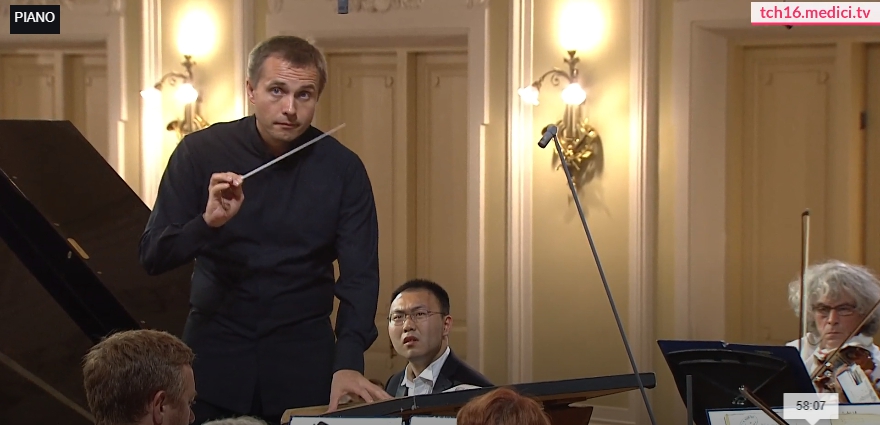
2019年柴科夫斯基鋼琴決賽於昨日展開,原本就飽受爭議的賽事又傳出重大失誤。
2019柴科夫斯基鋼琴大賽傳重大失誤!

中國參賽者安天旭(An Tianxu)演出時,曲目順序報錯,原訂的柴科夫斯基第一號鋼琴協奏曲變成拉赫曼尼諾夫帕格尼尼主題狂想曲,而不懂俄語的安天旭在播報員播報時渾然不知,直到指揮開始時才慌亂地跟上——熟悉兩首曲目的人都知道,柴的鋼協至少有四小節的前奏,而拉赫曼尼諾夫的帕格尼尼則是在第一小節就必須演奏。

What are Hanon exercises and how can they help me improve?


Hanon exercises help drastically improve THREE key areas of your playing...


Hanon exercises feature in households all around the globe, and for good reason. These piano exercises, which have been in existence for over 150 years, are proven to massively improve THREE key areas of your piano playing. In this article, we’re going to tell you what Hanon exercises are, how they can help you improve, and we’re also going to give you some of your own to try out.


2019年7月12日 星期五

This is why Hanon exercises are a waste of time (and possibly dangerous)

An interesting article and continuous debate about Hanon's studies.

A Whole New World – Claire & Dave Crosby

Dad sings with his 4 year's old. Another sweetie one. 😍😍


Doctors Now Prescribing Music Therapy for Heart Ailments, Brain Dysfunction, Learning Disabilities, Depression, PTSD, Alzheimers, Childhood Development and More

I just came across this article this morning. Music has been known for beneficial for our brain. But another article further advocated that music has positive impact for therapeutic use as well.


Written by Didge Project director AJ Block and guest author Gracy Liura.


By AJ Block (March 10, 2016)


Music has proven time and again to be an important component of human culture. From its ceremonial origin to modern medical usage for personal motivation, concentration, and shifting mood, music is a powerful balm for the human soul. Though traditional “music therapy” encompasses a specific set of practices, the broader use of music as a therapeutic tool can be seen nowadays as doctors are found recommending music for a wide variety of conditions.